Trick or Treat SVG: Halloween Shirt SVG
First Impressions: Spooky, Simple, and Shop-Ready
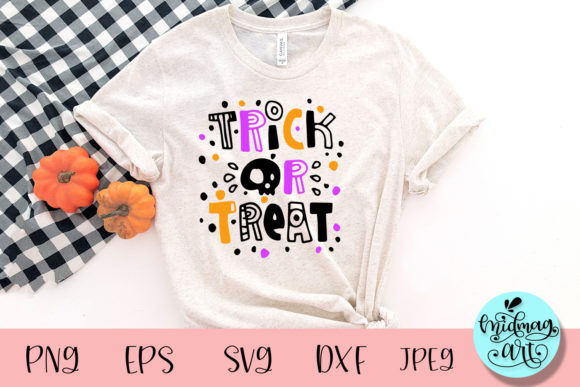
Opening the Trick or Treat Svg, Halloween Shirt Svg zip file feels like unboxing a well-wrapped seasonal idea — clean, focused, and instantly recognizable. The design leans into classic Halloween charm without overcomplicating things: bold lettering, friendly ghost or candy motifs (depending on version), and balanced negative space. It’s not overly ornate, which is exactly what makes it strong for embroidery. As a designer who’s stitched hundreds of holiday-themed pieces — from baby onesies to boutique aprons — I immediately saw its potential as a machine embroidery design that reads clearly at 3–4 inches wide. It doesn’t scream “digital file”; it feels like something you’d confidently stitch on a custom embroidered tote bag for a local farmers’ market booth.
Where This Design Shines in Real Projects
I tested Trick or Treat Svg, Halloween Shirt Svg across three real-world applications: a medium-weight cotton sweatshirt, a linen tea towel, and a structured canvas cap. On the sweatshirt? Crisp, legible, and festive — perfect for small-batch holiday apparel. On the tea towel, the clean lines held up beautifully with a simple satin stitch outline and light fill stitch, giving it that polished handmade product look customers love. Even on the curved cap front, the layout stayed readable when resized to 2.75 inches wide — no distortion, no awkward spacing. That tells me this isn’t just a T-Shirt Designs graphic; it’s a versatile digital embroidery file built for texture, scale, and context.
It works especially well for personalized gifts where clarity matters more than complexity: think baby embroidery on a onesie (paired with soft stabilizer), a patch for a denim jacket, or a small hoop-embroidered kitchen towel for a holiday hostess gift. Etsy sellers will appreciate how easily it translates into a printable mockup — the contrast and shape pop on both light and dark fabric previews. And for craft fairs or boutique branding, it reads as intentional, not generic. That subtle professionalism builds customer trust faster than flashier but harder-to-stitch alternatives.
Where to Pause — Not Every Fabric or Fit Is Equal
This isn’t a one-size-fits-all embroidery file. On thin or stretchy fabrics — like lightweight jersey tees or ribbed baby knits — I recommend testing first with tear-away + cut-away stabilizer combo. The letterforms are friendly, but tight curves in “Trick” or tiny details in decorative elements (like a mini bat or pumpkin) can blur if thread tension or stabilizing isn’t dialed in. On dark fabric, avoid light thread unless you’re adding underlay — otherwise, the fill stitch may lack punch. And on textured surfaces like terry cloth towels or fuzzy fleece, simplify your stitch plan: lean into running stitch outlines and minimal fill to keep the design sharp.
Also worth noting: while it’s labeled a Halloween Shirt Svg, don’t assume it’s optimized for tiny hoops. If you’re stitching on a child’s cap or a narrow pocket, check whether the full phrase fits comfortably within your machine’s standard 4x4 hoop before digitizing or resizing. Some versions include optional condensed layouts — always verify what’s included in your download.
Design Notes Every Embroidery Designer Should Check
- Test on scrap fabric first — especially if using layered garments (like hoodies) or mixed-fiber blends.
- Review stitch density — dense fills may overwhelm lightweight fabrics; consider reducing density by 10–15% for baby items or delicate linens.
- Confirm hoop size compatibility — this isn’t an auto-resizing vector; scaling too far down risks losing legibility in small lettering.
- Inspect corners and joins — smooth curves matter more in satin stitch than in screen print. Look for jagged nodes or abrupt angle shifts in the original SVG/DXF.
- Try black-and-white mockups — helps spot contrast issues before stitching on dark fabric.
- Use proper stabilizer — medium-weight cut-away for stable wovens, tear-away + topping for napped or fuzzy surfaces.
- Verify licensing — since this is marketed as a Graphics digital product, confirm whether commercial use (e.g., selling finished embroidered sweatshirts on Etsy) is permitted before launching your craft business listing.
Beyond the Stitch: Why This Design Builds Value
What separates a good embroidery design from a great one isn’t just how it looks on screen — it’s how it holds up in the hands of the person who buys it. A customer receiving a hand-embroidered Trick or Treat Svg, Halloween Shirt Svg tote bag notices the even stitch tension, the crisp edges, the way the thread catches light. That attention reinforces the perceived value of your handmade product — and makes repeat buyers more likely. For small shop owners and creative entrepreneurs, consistency matters: using this design across multiple products (pillow covers, aprons, caps) creates visual cohesion without needing custom artwork for each item.
And let’s be honest — timing matters. With Halloween orders starting in early September, having a reliable, tested holiday embroidery asset like this saves hours. No redrawing, no digitizing guesswork. Just open, resize thoughtfully, stabilize correctly, and stitch with confidence.
A Final Thought for Makers
Trick or Treat Svg, Halloween Shirt Svg won’t replace your original illustrations — and it shouldn’t. But as a dependable, mood-aligned digital embroidery file, it earns its place in your working library. It’s the kind of design that quietly supports your craft business: clear enough for beginners, flexible enough for pros, and festive without feeling dated. Whether you're prepping for a holiday craft fair, building your Etsy seller portfolio, or designing a limited-run boutique collection, this is the kind of embroidery project starter that delivers on promise — not just pixels.