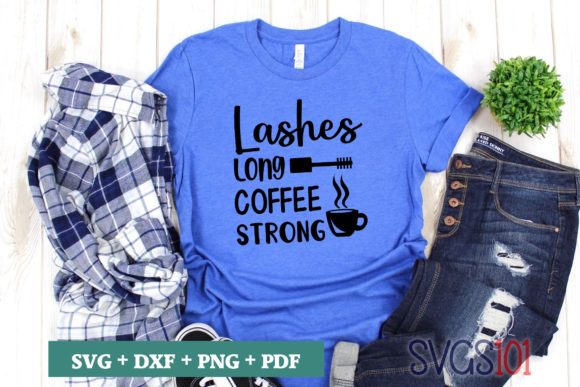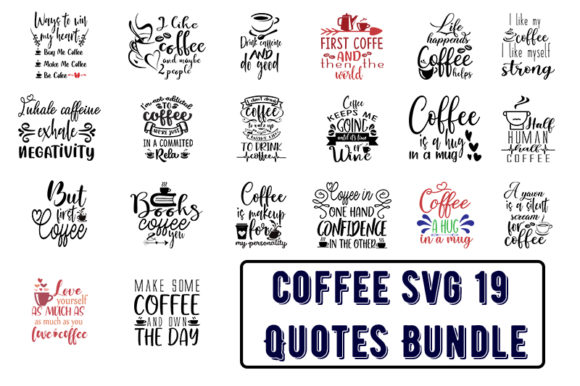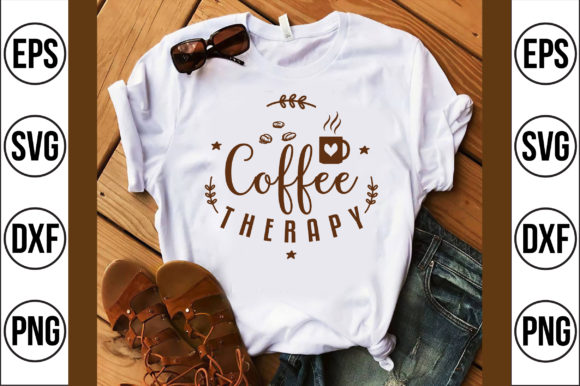
Coffee Therapy Graphics for T-Shirt Designs
First Impression: Warm, Relatable, and Ready for Commerce
Opening the Coffee Therapy download felt like unboxing a well-curated design asset — no fluff, no filler. The zip contains five core files: SVG, PNG, EPS, DXF, and JPEG — all cleanly named and immediately usable. As a digital product creator who’s tested hundreds of graphics for Etsy shops and print-on-demand stores, I appreciated how quickly I could drop the SVG into Cricut Design Space and see crisp cut lines, or drag the PNG into Canva and confirm full transparency. Visually, Coffee Therapy lands in that sweet spot between approachable and intentional: soft curves, balanced negative space, and a hand-drawn warmth that reads as handmade without sacrificing scalability. It’s not overly cutesy, nor is it sterile — it’s conversational, comforting, and quietly confident. That makes it ideal for audiences who value authenticity: wellness bloggers, small-batch coffee roasters, remote-work communities, and self-care–focused small businesses.
Where This Graphic Design Asset Fits Best
Coffee Therapy thrives where mood meets utility. I tested it across real product categories before finalizing my shop listings — and here’s what stood out:
- T-shirt designs: Works beautifully on heather grey, oatmeal, and navy tees. The clean outline holds up at 10" wide, and the subtle texture translates well to DTG and screen printing.
- Mug and tumbler wraps: Scales cleanly to 3.5" height without pixelation; the DXF file made rotary cutting straightforward for sublimation blanks.
- Printable wall art and planner stickers: The PNG and SVG both retain fine detail at 300 DPI — perfect for downloadable PDF kits or sticker sheet layouts.
- Canva templates and social media graphics: Paired effortlessly with Montserrat (sans serif) and Playfair Display (serif) in branded Instagram carousels and Pinterest pins.
- Cricut projects and craft bundles: The SVG includes layered groupings — ideal for customizing colors or isolating elements for iron-on transfers or vinyl decals.
Product Presentation That Builds Trust
What separates a good graphic from a *sellable* one isn’t just aesthetics — it’s how it performs in your listing. I used Coffee Therapy to build three mockups: a relaxed-fit tee on a neutral model, a matte ceramic mug on a sunlit desk, and a printable 8x10 art print in a simple black frame. Each thumbnail passed the “scroll test”: clear at 200px width, legible on mobile, and emotionally resonant without text. That visual consistency helps reinforce brand identity across collections — especially if you’re bundling it with other wellness-themed assets like “Mindful Morning” or “Slow Brew.” Buyers respond to cohesion, not clutter. And because Coffee Therapy avoids excessive linework or micro-details, it maintains clarity even when scaled down for Etsy search results or Creative Fabrica category grids.
Real Testing Steps Before You List
Don’t skip these — they’ve saved me from three listing reworks this year:
- Preview on white and dark backgrounds: The PNG’s transparency held up flawlessly, but the JPEG needed a quick background check (it doesn’t include transparency — use PNG or SVG for layered designs).
- Test cut quality in Cricut Design Space: Imported the SVG, ungrouped, and verified all paths were closed and non-overlapping — critical for clean weeding on heat transfer vinyl.
- Check resolution on physical proof: Printed a 5x7 version on matte photo paper — no blurriness, no jagged edges. Confirmed the EPS file opened cleanly in Illustrator for vector-based merch platforms.
- Verify commercial license scope: Re-read the terms — yes, it permits finished product sales (t-shirts, mugs, digital downloads), but not resale of the raw files as standalone clipart. Always clarify before bundling.
Where to Use It Thoughtfully
Coffee Therapy shines in intentional contexts — but it’s not universal. Avoid using it for:
- Tiny sticker sheets under 0.75" — fine details like steam swirls lose definition.
- Dense layout templates with heavy text overlays — its gentle weight competes poorly with bold typography.
- Dark-background merchandise without contrast testing — I adjusted brightness slightly for charcoal apparel mockups.
- Low-resolution print products (e.g., 150 DPI flyers) — stick to SVG or EPS for sharpness-critical uses.
Final Notes for Digital Sellers
If you're building a seasonal collection — say, “Cozy Fall Launch” or “Self-Care Starter Pack” — Coffee Therapy is a quiet powerhouse. It pairs naturally with serif fonts for elegance, rounded sans serifs for friendliness, and light script accents for handwritten charm. Organize your customer-facing files clearly: label each format, include a README with usage tips, and consider adding a color palette swatch (I extracted hex codes from the original and shared them in my bundle description). Most importantly: treat it as a *component*, not a crutch. Its strength lies in supporting your voice — whether you're designing t-shirt graphics for a Shopify store, creating sublimation designs for Redbubble, or packaging printable designs for Etsy buyers. When tested, paired, and presented with care, Coffee Therapy delivers more than a pretty image. It delivers commercial readiness — one thoughtful, scalable, and audience-aligned graphic design asset at a time.